
Laboratory of Biocybernetics
Electroporation-driven research from basics to applications
LBK studies electroporation across fundamental science, modeling, experimental systems, hardware, and real-world applications in medicine, biotechnology, and industry.
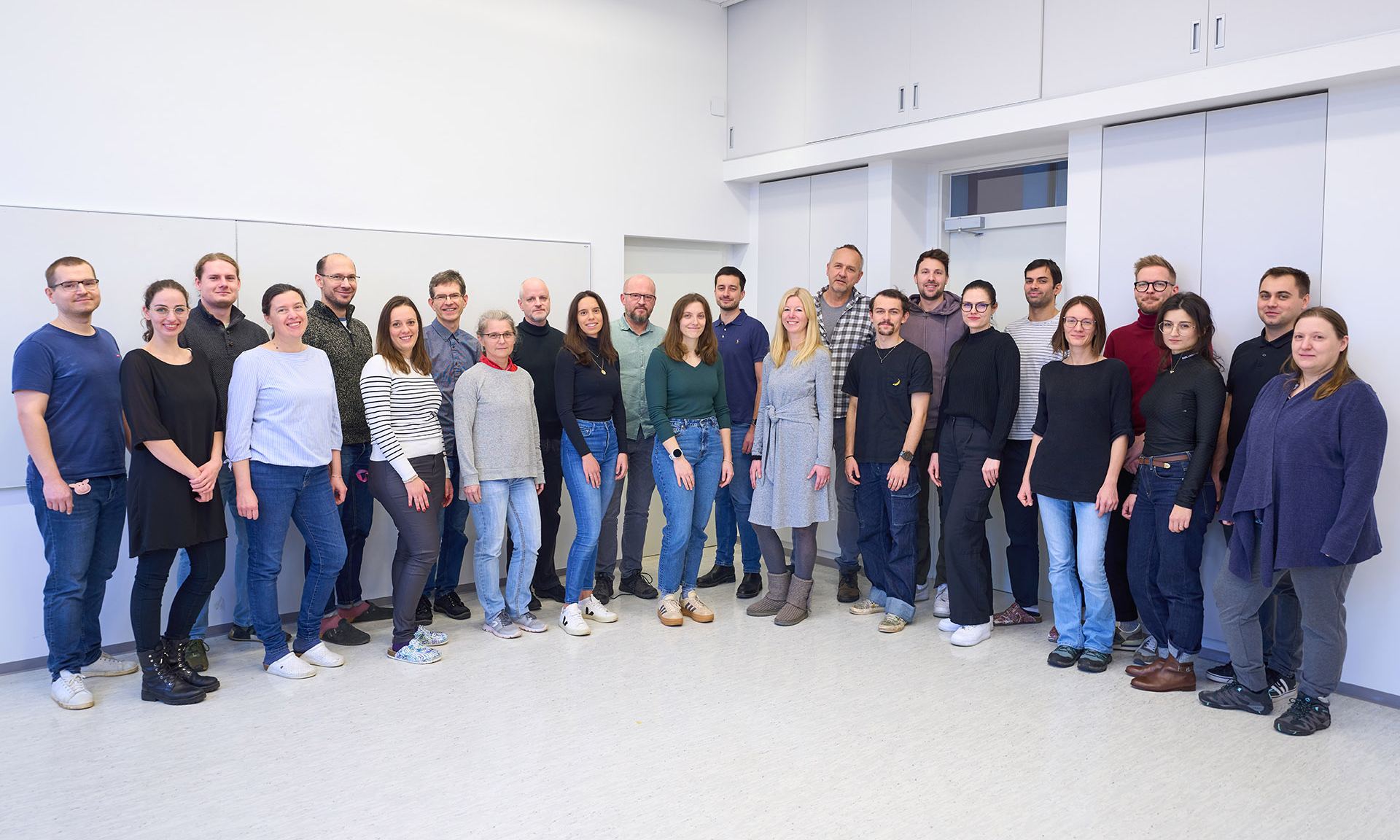
People
Meet the researchers


Latest
Upcoming event
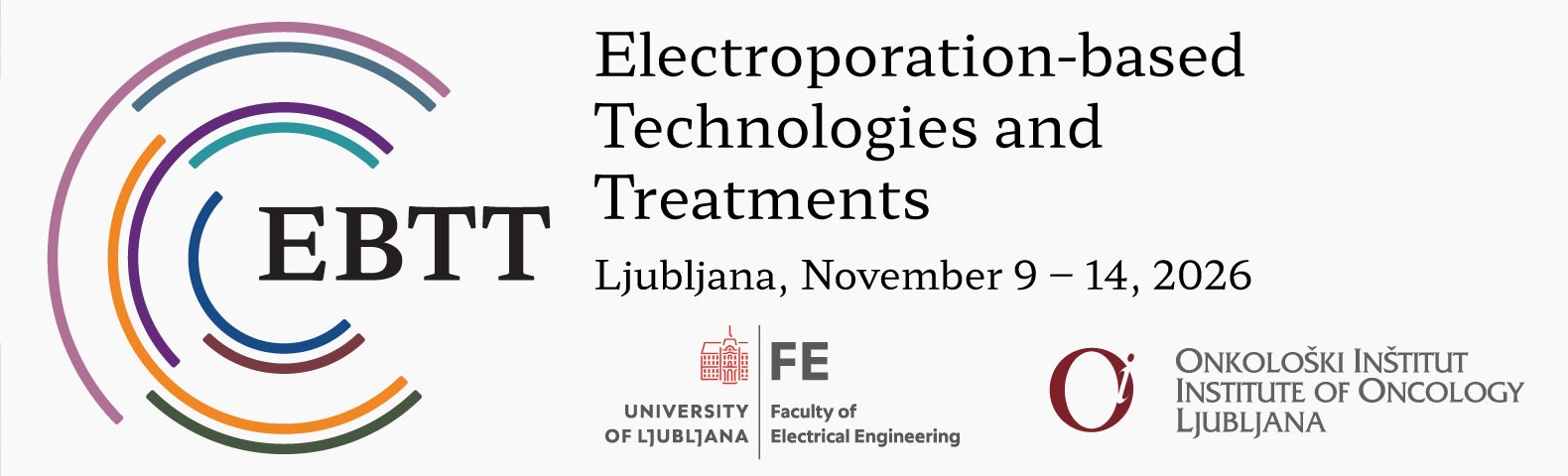
Electroporation-Based Technologies and Treatments (EBTT 2026)
International scientific workshop and postgraduate course on electroporation-based technologies and treatments.
Latest news
For Students
Your path into biomedical engineering
What is electroporation?
Lab tour: inside LBK
Projects
Featured active projects
A selection of ongoing research spanning cardiac electroporation, antimicrobial applications, and fundamental biophysics.
Unveiling the potential of electroporation-based glioblastoma treatment using patient-derived biomimetic models
Glioblastoma (GB) is the most aggressive type of brain tumors, with current standard treatments achieving a median survival of merely ~15 months. The blood-brain barrier substantially limits drug delivery, while therapy-resistant GB stem cells and immunosuppressive tumor microenvironment contribute to treatment failure.


CardioEP – Experimental and clinical cardiac (electro)physiology, and electroporation-based cell and gene therapy
Cardiovascular diseases are the most common cause of death, accounting for one third of all deaths in the EU (Eurostat data for 2022) and representing a growing healthcare and societal burden. The CardioEP project connects research groups from four faculties of the University of Ljubljana, the University Medical Centre Ljubljana, the Institute of Oncology Ljubljana, and the Jožef Stefan Institute, to develop new methods for treating cardiac diseases based on electroporation.
ERC-StG REINCARNATION – Reversible and irreversible cardiac electroporation: Establishing the fundamentals to advance cardiac treatments
Cardiovascular diseases are the No. 1 healthcare challenge in the world, among which ischemic heart disease and atrial fibrillation are the most prevalent. Better treatment strategies are greatly needed to reduce the medical, economic, and social burden of these conditions. Electroporation (application of intense pulsed electric field) is showing tremendous potential for treatment of atrial fibrillation, enabling a safer and shorter treatment procedure compared with existing thermal ablation approaches.

Startup research programme: Electrical excitability of biological cells and tissues in silico
The long-term vision of this startup research programme is to develop pipelines for multiscale computational modelling based on bottom-up principles that will enable mechanistic interpretation for the changes in cell and tissue excitability induced by high-intensity pulsed electric field (PEF). The first step is to follow up on our recent findings obtained with bioengineered S-HEK cells as minimal excitable systems and establish a theoretical framework that will enable us to model their response to high-intensity PEF.
Research Programme: Electroporation-based technologies and treatments
Electroporation is a well established method used to increase permeability of the cell plasma membrane for molecules otherwise deprived of membrane transport mechanisms, by an externally applied electrical field. Its broad spectrum of applications extends into different fields, such as medicine, biotechnology, environmental sciences.
Cell death in electroporation-based tissue ablation
Electroporation is a rapidly growing field in medicine, applied in electrochemotherapy, gene electrotransfection, and irreversible electroporation, and over the past decade also in cardiac ablation for the treatment of arrhythmias. Despite the clinical success of these methods, the understanding of the mechanisms of cell death following electroporation remains fairly unknown.

Highlights
LBK at a glance
77
Research projects since 1996
7
Currently active projects
35
Team members
38
Events organized
€7.9M
Research funding
(last 5 years)